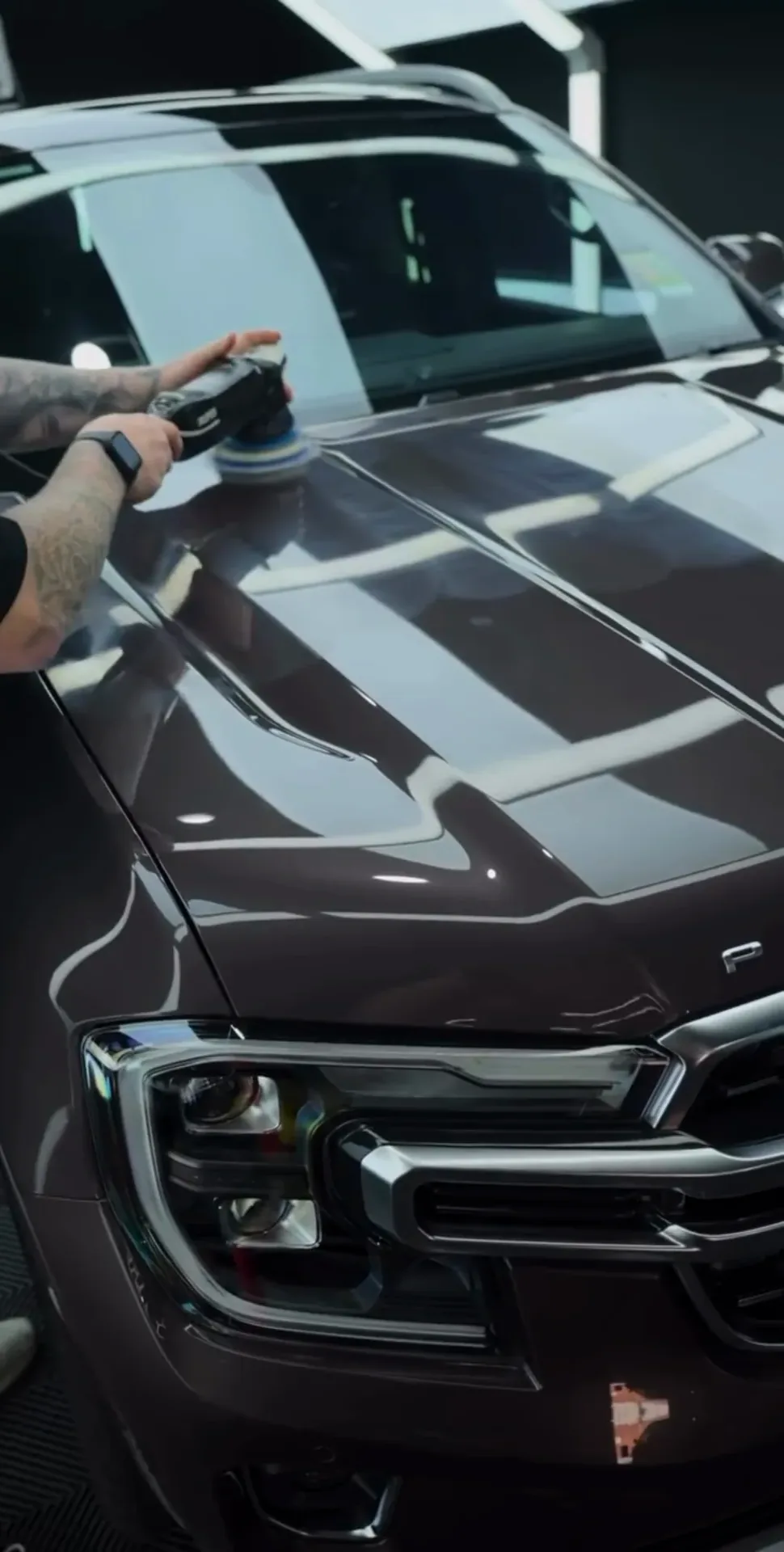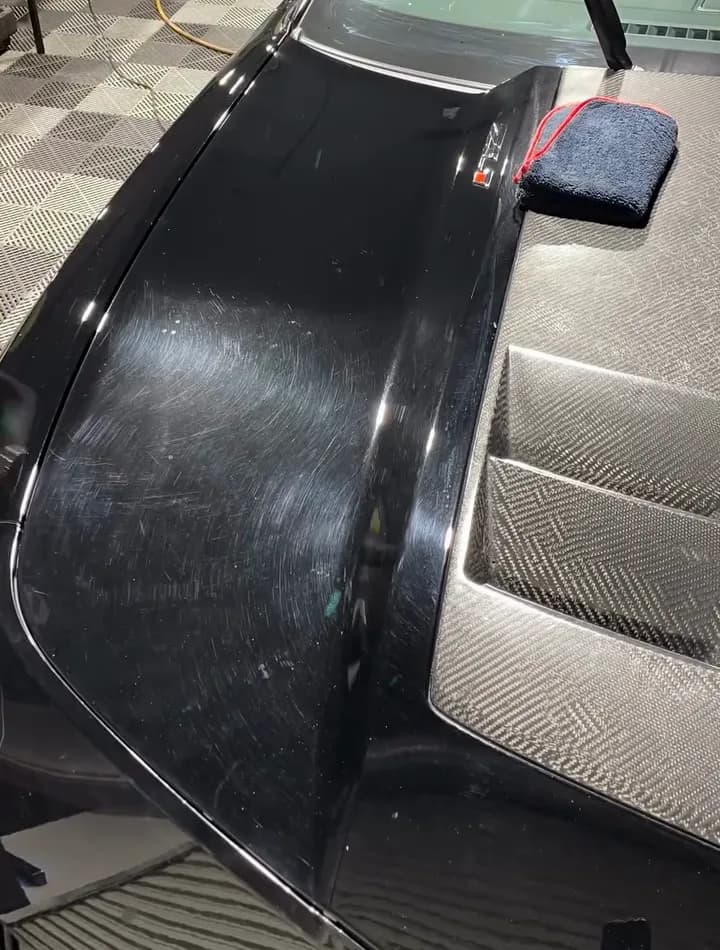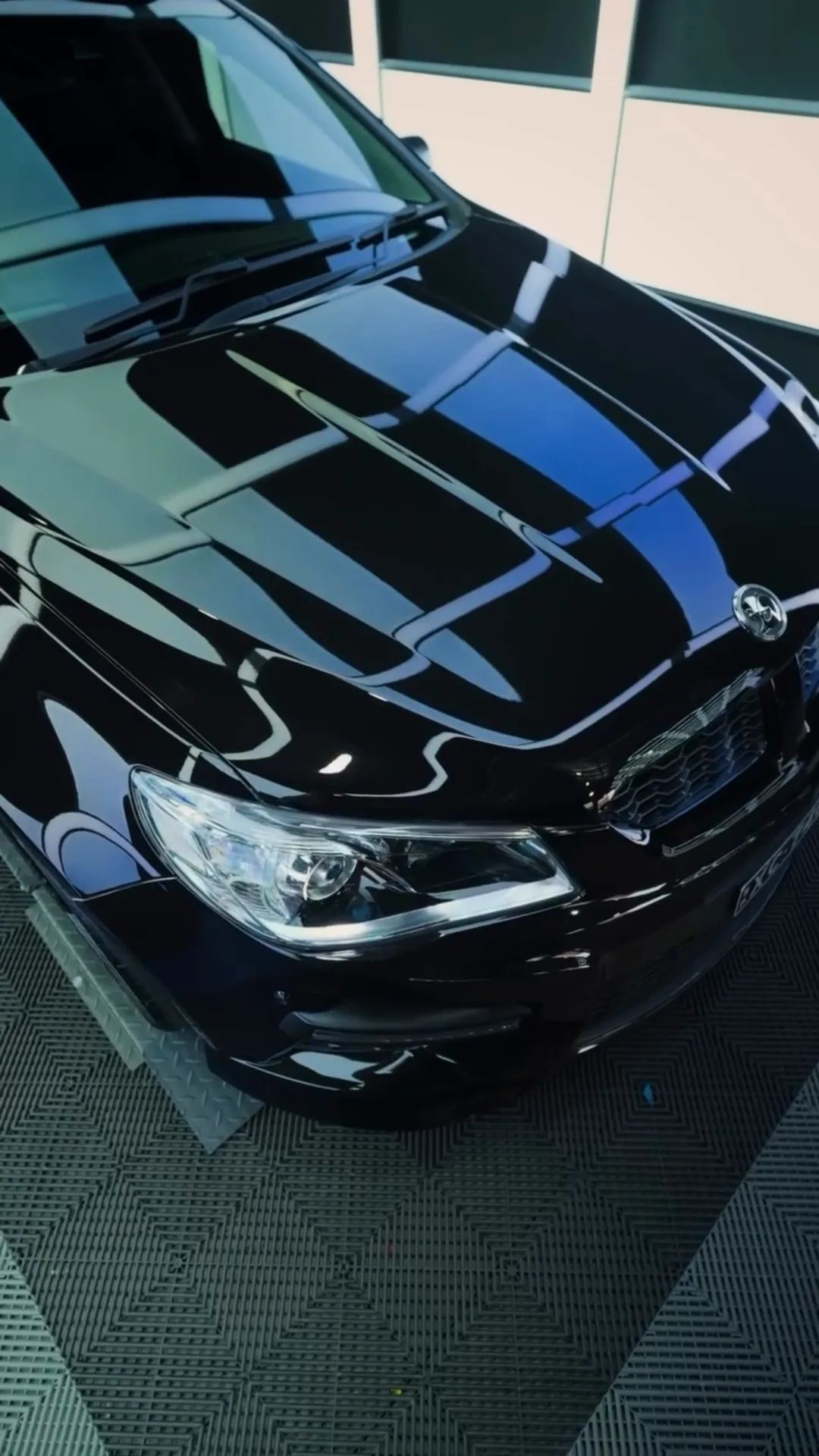
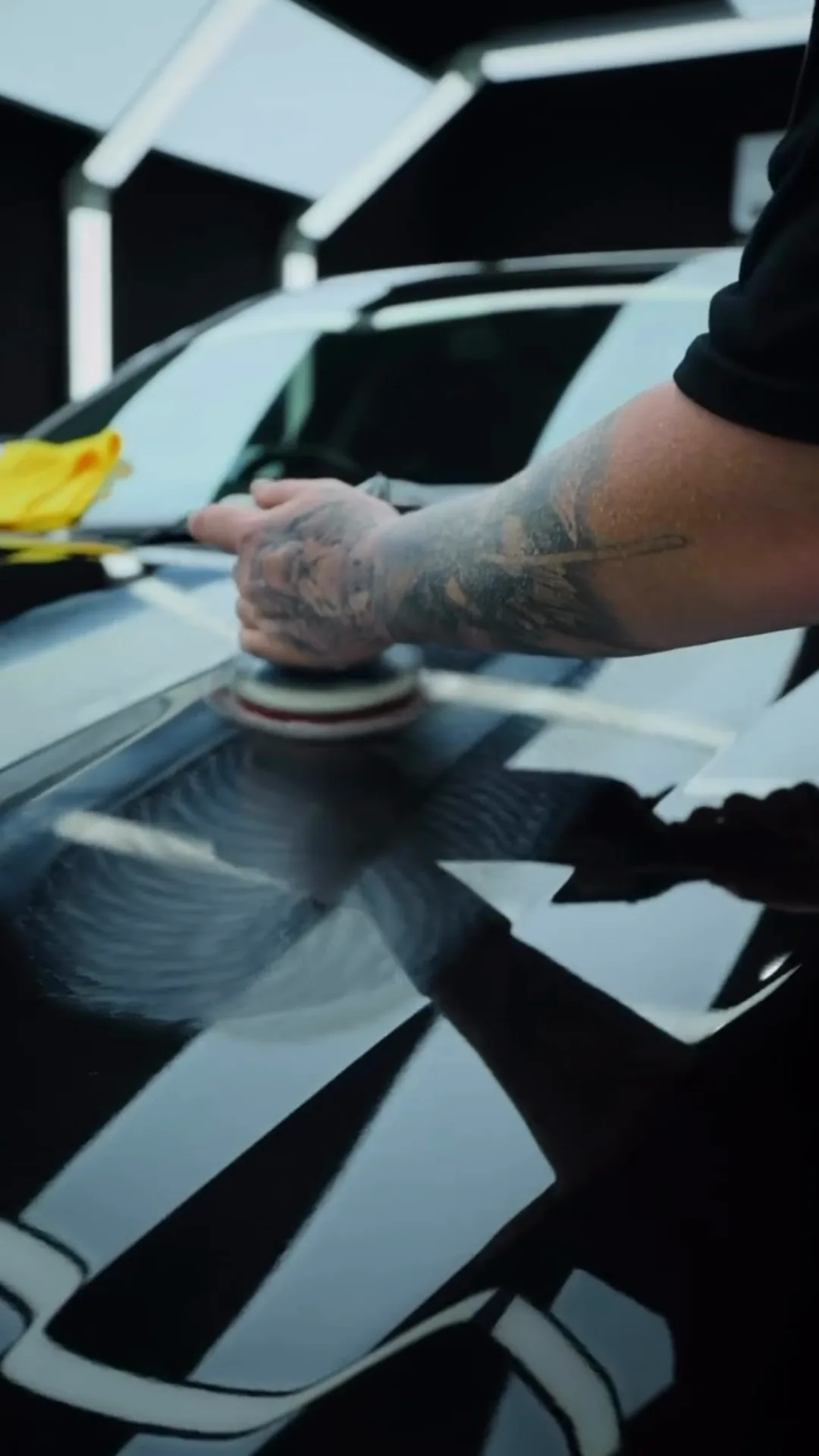
What is paint correction? It is a controlled machine polishing process that removes a very small amount of clear coat to reduce defects such as swirl marks, haze, light oxidation and some scratches. The aim is to change how the paint reflects light, not to clean it or cover damage temporarily.
Your car may benefit if clean paint still looks dull or heavily marked and the improvement matters to you. It may not need correction if the finish already satisfies you, the defects are too deep or the paint is too thin for safe polishing.
Hayden provides paint correction in Auckland at your home or workplace. He has more than five years of hands-on detailing experience and works on every car himself, so the person judging your paint is the person polishing it.
What Defects Can Paint Correction Improve?
Depending on their depth and the condition of the paint, correction can reduce:
- swirl marks from washing
- fine scratches within the clear coat
- haze and holograms left by poor machine polishing
- light oxidation on suitable paint
- some water spot etching
- paint transfer and isolated scuffs
- the general loss of clarity from years of fine marks
Results vary from panel to panel. A scratch that catches a fingernail or shows a different colour underneath is unlikely to polish out safely.
What Paint Correction Cannot Fix
Polishing cannot repair:
- stone chips
- dents
- scratches that go through the clear coat
- peeling or failed clear coat
- rust
- cracked paint
- severe etching beyond safe removal
- texture or colour mismatch from poor repairs
Those need touch-up, dent repair or refinishing. A trustworthy detailer will tell you when polishing is not the answer.
How the Paint Correction Process Works
Clean and Decontaminate
The paint has to be free of loose and bonded contamination first, so polishing pads do not drag grit across the surface. That means a thorough wash, then chemical and sometimes clay decontamination.
Inspect the Paint
Defects, repaints, edges and high points are assessed in good light. Paint thickness readings can add useful context, but they cannot tell anyone exactly how much clear coat remains.
Test a Small Area
A small, representative section is polished first to show how the paint responds. That sets a realistic target before the whole car is done.
Correct Panel by Panel
One or more polishing stages reduce the defects. More stages can refine the finish further, but they take longer and remove more material.
Protect the Finish
Corrected paint is then protected with a wax, sealant or ceramic coating. Protection does not make the paint scratch-proof, but it helps keep the result looking right for longer.
One-Stage vs Multi-Stage Correction
A one-stage correction uses a single polishing step to balance defect reduction and gloss, and it is often a sensible choice for a daily driver. Multi-stage correction starts with a more cutting step and follows with refinement, aiming for greater defect reduction where the paint safely allows it.
Package names vary between businesses, so compare the agreed result and the test area rather than the number of stages.
Does a New Car Need Paint Correction?
Only if it has correctable defects you want improved. Some new cars arrive with swirls or water spots from transport and dealership washing, and others do not, so polishing should never be automatic.
Is Paint Correction Permanent?
Defects that are genuinely removed do not come back, but new marks can be added by future washing and use. Some products only fill defects for a while, so ask whether a service is true abrasive correction or a glaze that hides them.
Safe washing preserves the result, and a ceramic coating after correction makes that washing easier.
How Much Clear Coat Does Correction Remove?
It varies with the pad, the polish, the technique, how hard the paint is and how deep the defects go. The goal is always to remove as little as needed to reach an agreed result.
Correction is not routine maintenance. Better washing preserves paint far longer than polishing it every year.
Why Auckland Paint Picks Up Defects
Strong New Zealand UV, salt air near the Waitematā and Manukau harbours and the coast, bird droppings, tree sap and rain all leave their mark on paint over time. Etching from droppings and sap, water spots and wash swirls are typical of the defects correction is asked to deal with.
Not every Auckland car needs correction, though. Some simply need a proper wash, decontamination and better washing habits from then on.
Does Your Car Need Paint Correction?
Correction is worth considering when:
- clean paint looks visibly swirled or hazy
- you want the finish improved before a coating
- you are selling or showing the car and the result justifies the cost
- the paint is sound and a test area shows real improvement
- you accept that deeper defects may remain
Skip it or keep it light when preservation is the priority, the finish already satisfies you or the paint needs repair rather than polishing. Correction at Marathon Detailing is quoted for the car, and Hayden confirms the price before any work starts.
How Long Does Paint Correction Take?
Longer than most people expect, because washing and decontamination come before any polishing starts. A light enhancement is a much shorter job than multi-stage correction on a large car.
Before the work, mention any repainted panels, touch-ups, existing coatings or previous polishing. Avoid applying a glaze or wax beforehand, because fillers hide the true condition of the paint.
Can Correction Improve How a Car Sells?
It can improve photographs and first impressions, but it cannot guarantee a higher sale price. A restrained enhancement is often more sensible than multi-stage correction on an everyday used car.
To find out what your paint needs, request a quote for professional paint correction with the make, model, colour and your suburb. Hayden will be in touch to talk it through, and an enquiry claims up to a $500 credit towards any package.