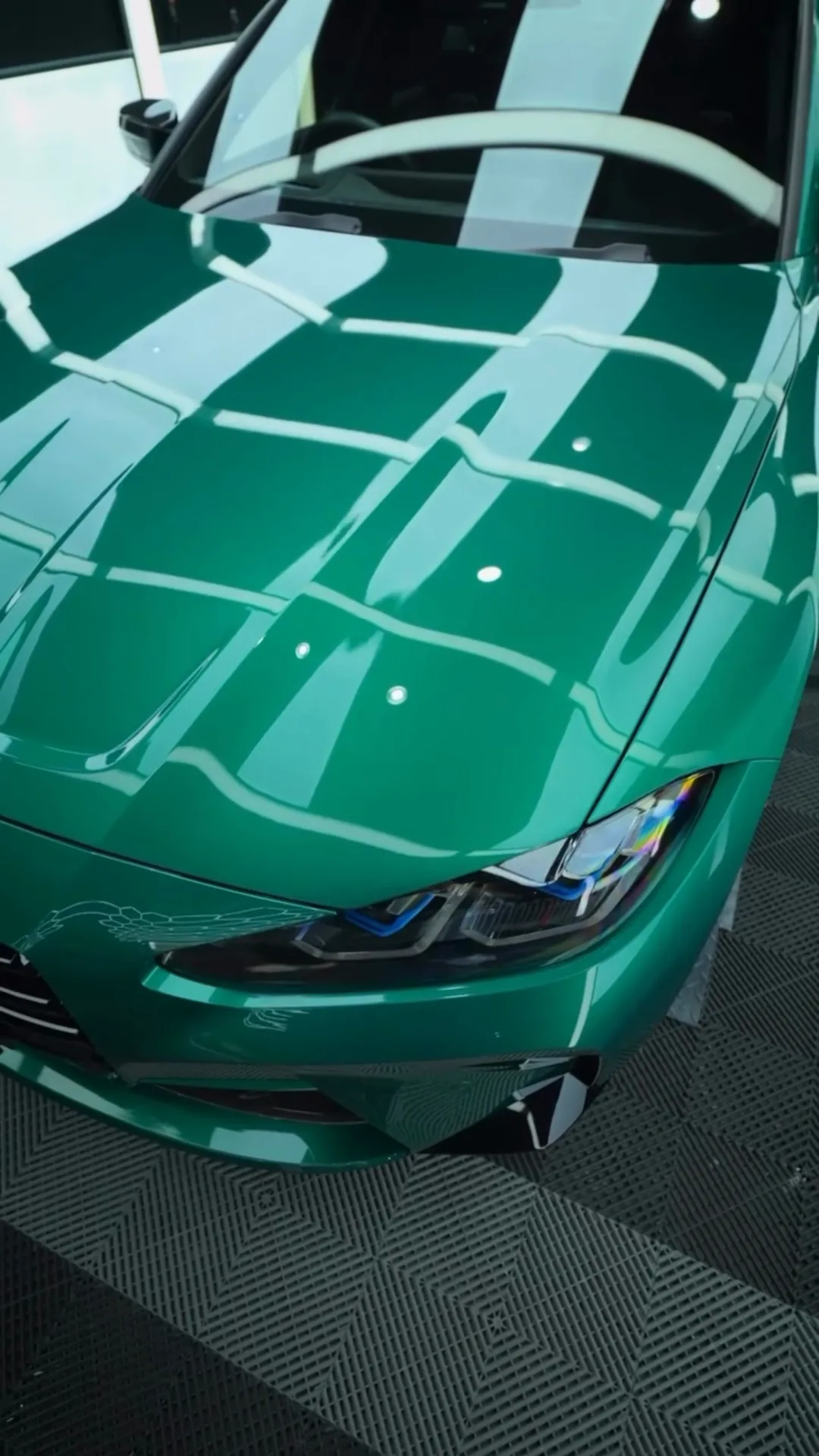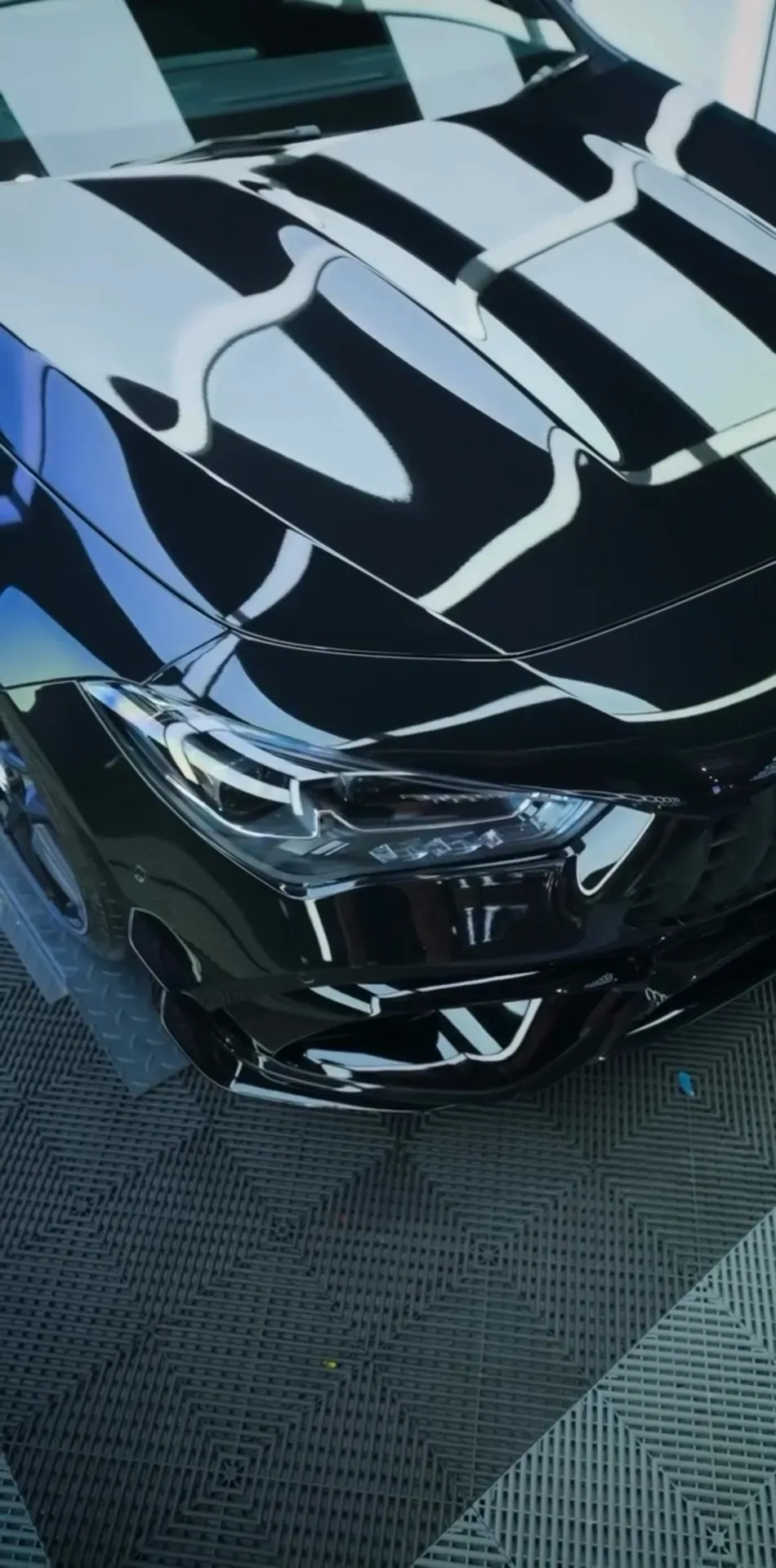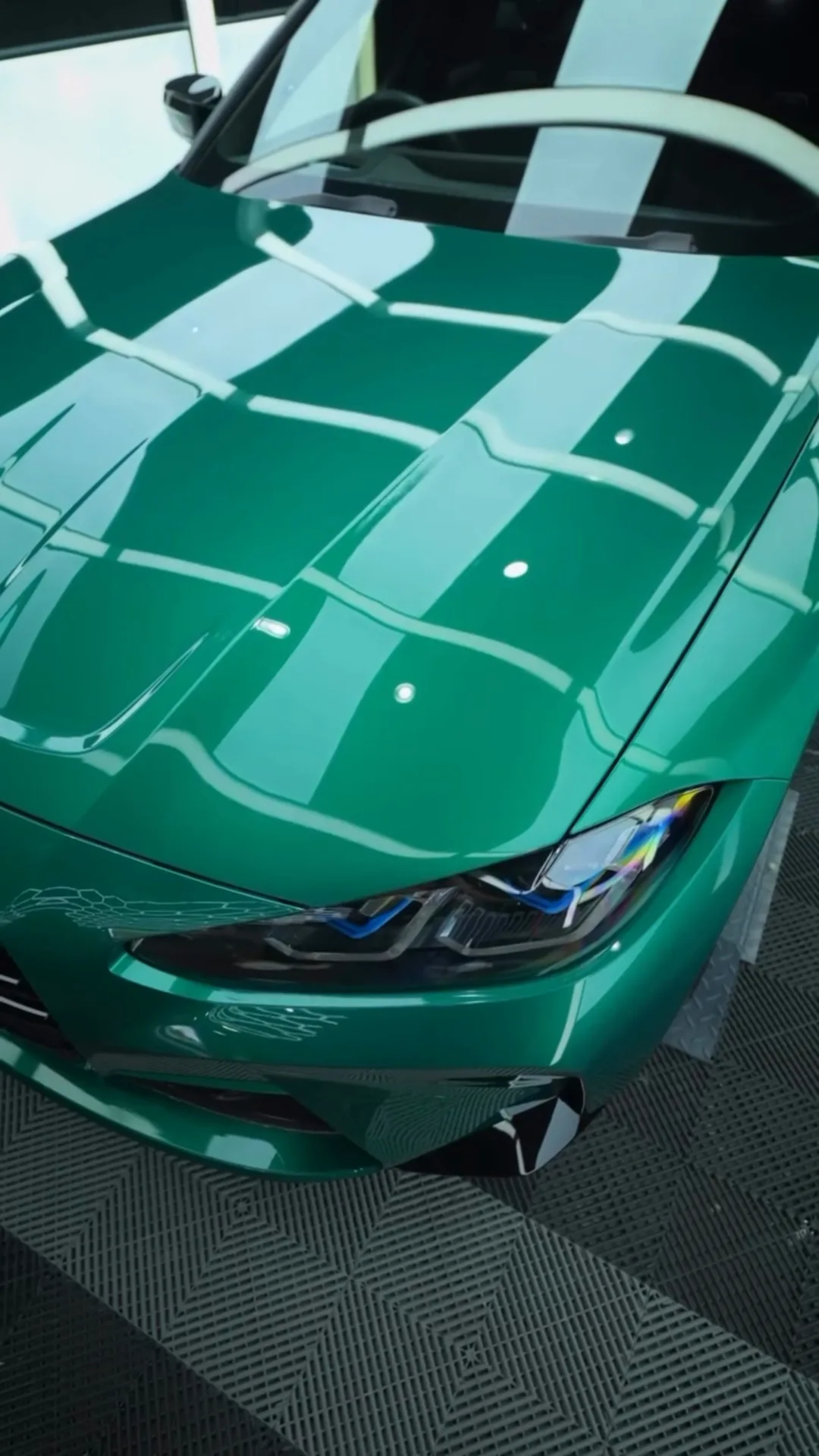
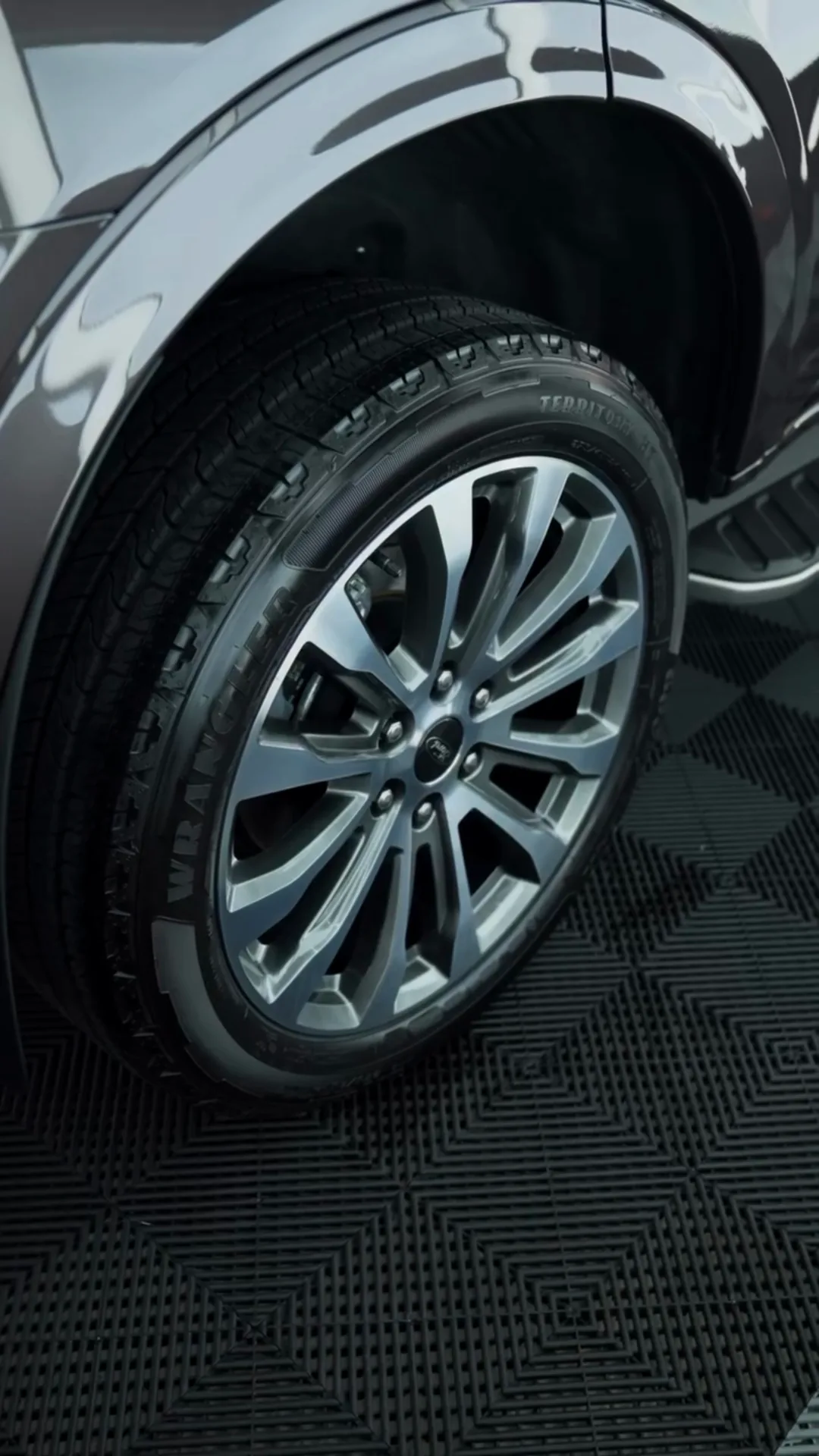
The most common ceramic coating myths say it makes paint scratch-proof, removes the need to wash, fixes swirls, lasts exactly as long as the label says and is the same whichever product you buy. None of those is true.
A coating is still genuinely useful protection. Bought for the right reasons, it gives easier washing, useful chemical resistance, gloss and longer-lasting protection than a wax or spray sealant.
Here are the five myths that cause the most disappointment, and what to expect from ceramic coating in Auckland instead.
Myth 1: Ceramic Coating Makes a Car Scratch-Proof
A coating is very thin. It cannot stop a key, a branch, a dirty brush or a careless wash mitt from marking the paint, and a hardness rating does not turn it into a shield.
Coated paint is easier to wash, so a careful owner can use less pressure. That is a maintenance benefit, not scratch immunity, and for stone chips the product designed for impact is paint protection film.
If scratches are your main worry, the useful questions are where they come from and how the car is washed, because that is where most prevention happens.
Myth 2: You Never Need to Wash a Coated Car
Traffic film, dust, salt, bugs and bird droppings still collect on a coated car. Left alone, they make the car look dirty, mask the coating's water behaviour and can leave marks.
In Auckland, salt air near the harbours and coast, tree sap, rain and motorway road film make regular washing just as important on a coated car. Wash it safely when it is dirty, and keep away from automatic brushes.
Avoid dry wiping, household detergents and incompatible chemicals too, and follow the first-wash advice for the coating on your car.
Myth 3: Ceramic Coating Removes Swirls and Scratches
A coating is clear and follows the surface, so swirls stay visible underneath unless machine polishing reduces them first. It adds gloss, but gloss is not correction.
A coating over swirled paint can look glossy in the shade, but in direct sun the swirls are still there.
Paint correction removes a small amount of clear coat, so not every car should be polished. The right level depends on the paint and what you want from it, and deep scratches may remain whatever is done.
Myth 4: Every Coating Lasts Exactly as Long as the Label Says
An advertised lifespan is a product claim that assumes certain conditions. Preparation, the product, how the car is washed and where it is kept all change how long a coating performs in real life.
Different panels also age differently. The bonnet and roof take the most sun, while the lower panels collect the most road grime.
A change in water beading does not automatically mean failure, because traffic film and minerals can hide a healthy coating. Hayden confirms what to expect and the warranty for your car when he calls.
Myth 5: All Ceramic Coatings Are Basically the Same
Products differ in chemistry, intended use, application and durability. A spray sealant with ceramic ingredients is not the same thing as a professionally applied coating.
The installer matters too, because cleaning, correction decisions, application conditions and aftercare decide whether a good product performs. Hayden uses Hermosa, a coating brand built specifically for New Zealand conditions, including strong UV exposure and coastal environments, and works on every car himself.
Bonus Myth: More Layers Always Mean Better Protection
Layering depends on how the product is designed. Some systems specify more than one coat, while others gain nothing from arbitrary extra layers, and no number of layers makes paint chip-proof.
Ask what each layer is designed to do and whether it is part of the manufacturer's instructions. If the answer is vague, the extra layer may be more about the price than the protection.
Bonus Myth: A Coated Car Will Never Get Water Spots
Water still sits on a coated car, and if that water is full of minerals and left to dry, it leaves spots on top of the coating. In strong sun, those spots can etch if they are left long enough.
Drying the car after washing, and rinsing off sprinkler or rain spots before they bake on, prevents most of them.
Bonus Myth: A Coating Guarantees Better Resale Value
A well-kept finish helps a car present well, but resale value depends on the whole vehicle and the market. A coating cannot guarantee a higher price, so keep your invoices and service records in case a future buyer asks.
Why Myths Make Coating Quotes Hard to Compare
If one quote sells scratch immunity and another sells easier maintenance, they are promising different things. Compare the actual product, the preparation and the stated limits rather than the headline claim.
A lower price is not automatically poor, and a longer advertised lifespan is not automatically better for a car you will only keep for a short time.
What to Expect From a Professional Coating Instead
A realistic professional coating service should give you:
- an honest assessment of the paint
- proper cleaning and decontamination
- correction only where the paint and your goals call for it
- careful application of a named product
- a straight explanation of what it will not protect against
- clear curing and aftercare advice
- warranty terms explained before you commit
Questions to Ask Before Booking a Coating
- What exact product is being applied?
- What preparation and correction are included?
- Which surfaces are covered?
- What damage is not covered?
- What maintenance is required?
- What do the warranty terms actually say?
Plain answers to those questions are a better guide than any dramatic claim. Be cautious when every car is promised the same defect removal, the same durability or a maintenance-free result, because real recommendations change with the paint, the parking and the washing.
If you want straight answers for your own car, request a quote with the make, model and your suburb, and Hayden will come back to you to talk through Hermosa ceramic coating. An enquiry also claims up to a $500 credit towards any package.